Atradius Atrium
Sie erhalten direkten Zugriff auf Ihre Vertragsinformationen, Tools zur Beantragung von Kreditlimits und Einblicke.

 Österreich
 Australien
 Belgien
 Brazil
 Bulgarien
 China
China
 Dänemark
 Deutschland
 Finnland
 Frankreich
 Griechenland
 Gruppe
 Hongkong
 Indien
 Irland
 Italien
 Japan
Japan
 Kanada
 Litauen
 Mexiko
 Neuseeland
 Niederlande
 Norwegen
Österreich
Norwegen
Österreich
 Polen
Polen
 Portugal
 Rumänien
 Schweden
 Schweiz
 Singapur
 Slowakei
 Slowenien
 Spain
Spain
 Tschechische Republik
 Türkei
 Ungarn
 Vereinigte Arabische Emirate
 Vereinigtes Königreich
 Vereinigte Staaten
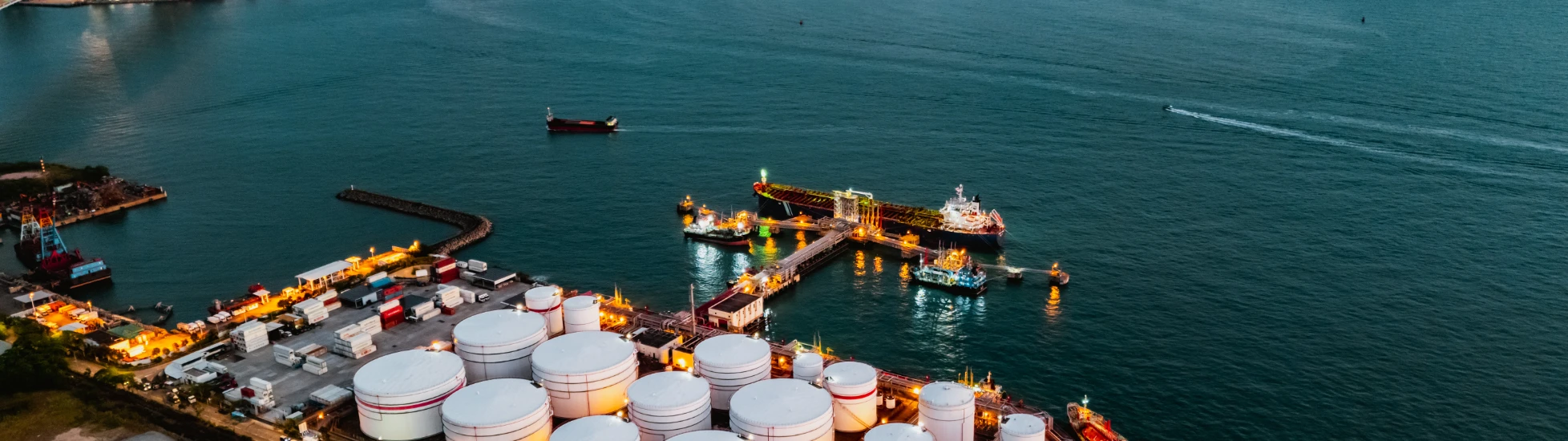
When, in April, the head of the International Energy Agency (IEA) compared the closure of the Strait of Hormuz to the severe oil shocks of the 1970s, it didn’t feel like an overstatement. The stream of cargo passing through the strait before the war had shrunk to a trickle. With hostilities preventing around 10% of global energy supply from reaching markets, the price of Brent crude quickly doubled.
Three and a half months later, and the IEA’s worst fears haven't been realised, or at least not yet. The price of oil peaked, plunged, and repeated, but the volatility has been less severe and the peak less prolonged than in the worst crises of the last century. The energy shocks of the 1970s saw oil prices hit eye-watering highs and stay there. This time, prices quickly retreated from spring peaks when a fragile peace agreement was announced in June, and have fluctuated with the prospects for a ceasefire.
This suggests markets are more flexible and resilient than they have been in the past, and the world is less dependent on oil from the Middle East. That resilience is likely to continue to be seriously tested in the coming months if the cycle of threats, talks, ceasefires, and renewed hostilities continues.
Oil prices are yo-yoing in response, currently trending downwards. In early August, prices fell back from a July peak above USD 100 to prewar levels of around USD 75 as Iran and Oman opened negotiations on a temporary reopening of the strait. That said, with no obvious end to the conflict in sight the possibility of an energy-led global recession still looms.
The outbreak of the Iran war created a severe physical supply shock. Markets reacted quickly, doubling the price of Brent crude from around USD 70 to USD 140 per barrel. But it didn’t stay that way for long. Prices fell dramatically in June when the interim peace agreement was signed.
“In contrast to the oil crises in the 1970s, which led to structural or long-term price rises for oil, the rapid retreat in prices after the peace agreement suggests investors saw the disruption as severe but not necessarily prolonged,” says Dana Bodnar, Senior Economist at Atradius. “The effective shortfall was also cushioned by alternative routes, controlled passage, emergency reserves and temporary sanction relief.”
To put the current situation into context, the oil crisis of 1973 (also caused by war in the Middle East) saw a near quadrupling of oil prices and the introduction of fuel rationing in major oil-consuming countries.
Soaring inflation and unemployment drove a severe global recession and signalled the end of the West’s long summer of post-war prosperity. GDP fell by 4.7% in the US and 7% in Japan. A second oil shock followed in 1979 as a result of the Iranian revolution, and oil prices didn’t return to pre-crisis levels until the mid-1980s.
The closure of the Strait of Hormuz is a serious setback for the global economy, but not yet a crisis on that scale. Markets are more resilient and less complacent than they were in the 1970s. Economists and politicians are well aware of the potency of oil supply as a weapon of war and economies are better prepared for the impacts of energy-related disruption.
The oil market is now structurally better able to absorb supply shocks. In contrast to previous eras, the chance of a simultaneous demand upswing and supply disruption is much lower.
And, comparatively, we are not so reliant on oil. Oil’s share of global primary energy has fallen from 46.2% in 1973 to 30.2% today. In stark contrast to the situation 50 years ago, the oil market entered this crisis with a structural surplus.
In a report published at the beginning of the year, the IEA estimated that while world oil supply was rising by three million barrels per day, demand was increasing by less than a quarter of that. Specifically, subdued industrial activity in China, alongside the country’s ample domestic oil stocks, has eased global supply pressure at just the right time. Chinese oil imports are currently at an almost ten-year low.
Weaker demand provides a buffer against disruption and helps to limit the extent and duration of rising prices. On the supply side, IEA members agreed to release 400 million barrels of oil from strategic reserves at the start of the war, giving Middle Eastern producers time to explore alternative shipping routes.
These mitigations have stopped a crisis from becoming a calamity, at least for now. But while oil markets appear better equipped to absorb shocks than during past crises, much may depend on what happens next.
The failure of the June peace agreement triggered a sharp spike in oil prices. The cost per barrel rebounded to above USD 100 after the breakdown of the ceasefire in mid-July, though it is currently trending downwards again. The current price range reflects a fragile balance, not a benign market.
With that in mind, our baseline scenario assumes that a preliminary US-Iran agreement will be reached this quarter. This may be optimistic. While we don’t think either side's preference is to escalate the conflict at this point, major obstacles to an agreement remain and neither party appears willing to make significant concessions in the short term.
Serious negotiations that result in a lasting peace need a certain level of trust between the US and Iran, and that does not exist right now.
Even if both sides were to reach an agreement, or if the negotiations between Iran and Oman on opening the Strait of Hormuz were to be successful, the situation would remain fragile. Implementation disputes and delays, Iranian pressure for more concessions, unresolved nuclear issues, and Houthi activity could derail any settlement. If a ceasefire still holds several weeks from now, we may have more confidence that tensions are truly beginning to ease.
“Serious negotiations that result in a lasting peace need a certain level of trust between the adversaries, and that does not exist right now,” says Christian Bürger, Senior Editor at Atradius. “There is also an ongoing risk that either side misjudges the other’s red lines, triggering a broader escalation. Both the US and Iran are treading a fine line between escalating to strengthen their negotiating hand and a military miscalculation that triggers a return to high-intensity warfare.”
Against this backdrop, shipping firms will continue to limit or stop passage through the Strait of Hormuz and Gulf producers will redouble efforts to diversify routes, eventually reducing the strait’s strategic importance.
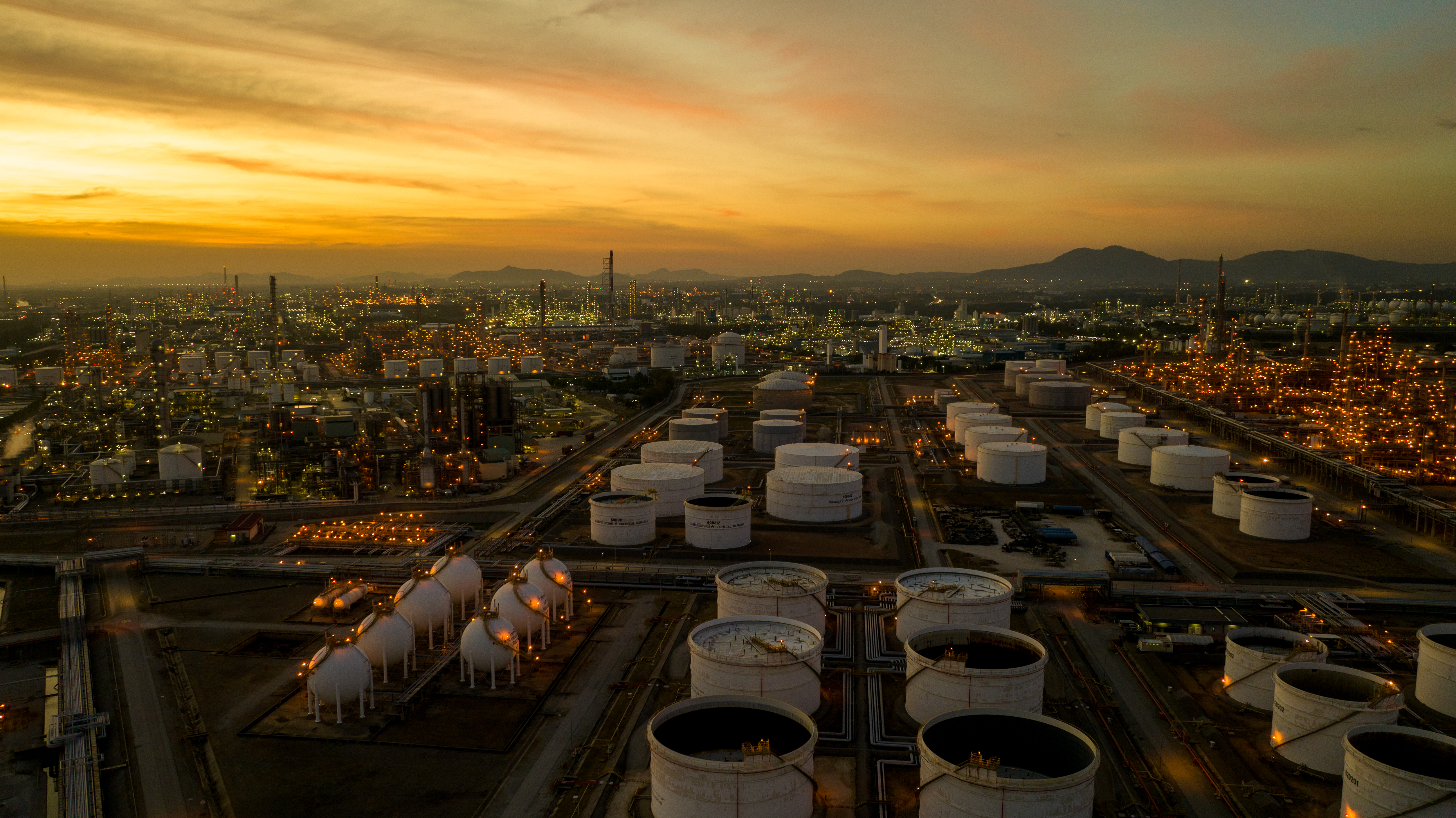
Overall, it's hard to envisage a return to normal levels of shipping activity in the strait anytime soon. Instead, we consider two further potential scenarios based on the intensity and duration of the conflict.
In one scenario, messy on-again, off-again negotiations persist for the coming year and a half, keeping the Strait of Hormuz effectively closed until the end of 2027. This enduring disruption brings gradual, sustained pressure to oil prices which peak at USD 131 per barrel at the end of 2027.
The second scenario sees a rapid scaling up of military action in the coming months, the continued closure of Hormuz and significant threats to alternative shipping routes like the Bab el-Mandeb Strait. This sharper escalation could push oil prices beyond USD 160, though we think the severe economic, social, and political impacts of an all-out regional conflict would force a faster return to the negotiating table.
Both scenarios bring the world closer to recession. We forecast that the short, sharp scenario would depress global growth over the next three years by 1.6 percentage points. Sustained disruption could wipe 2.6 percentage points from global growth in the same time span. Even so, we think a 1970s-style crisis is likely avoided.
“It would take the sustained disruption with almost no traffic through the Strait of Hormuz through the rest of this year and all of next to really sustain oil at a higher price for years,” says Bodnar. “But overall, the global economy is more diversified and we’re further along in the energy transition. These demand-side drivers should allow us to avoid the kind of dramatic oil price movements we saw in past decades.”
Nevertheless, a prolonged period of uncertainty now seems inevitable. Threats to Red Sea routes from Houthi groups in Yemen, and the growing involvement of Saudi Arabia, point to increasing instability. Both the US and Iran still seem prepared to escalate tensions temporarily in an attempt to gain leverage before pulling back as the pain from these actions mounts.
Oil prices will wax and wane in response. None of our scenarios see the current shock turning into the kind of era-defining energy crises that dogged the world in the 1970s, because energy markets are more diversified and resilient. But that is no cause for complacency. The longer the current conflict lasts, the worse its impact will be.
To explore how to strengthen your own credit risk strategy, get in touch with us and see how we can help you stay ahead.

